
₹6000
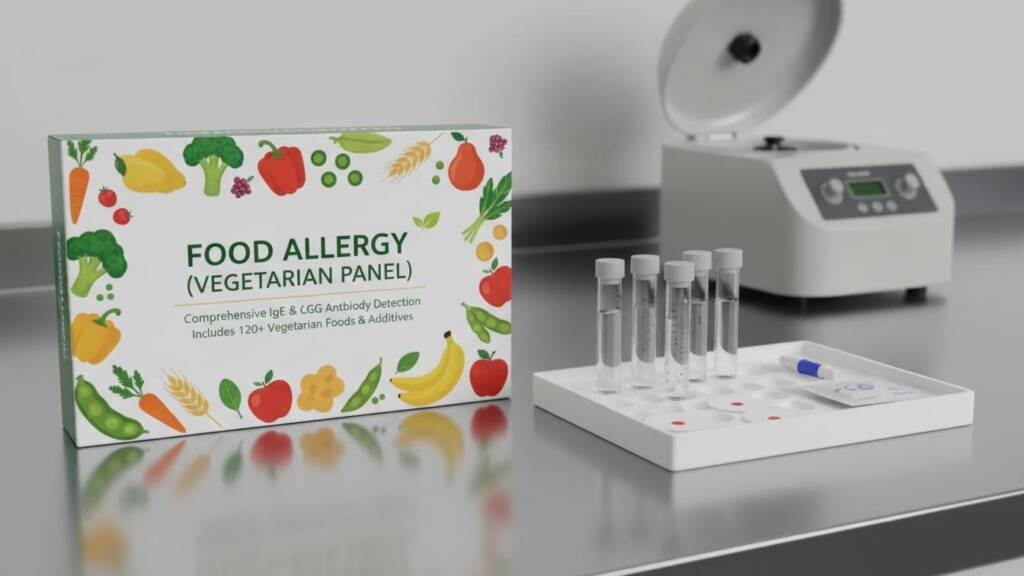
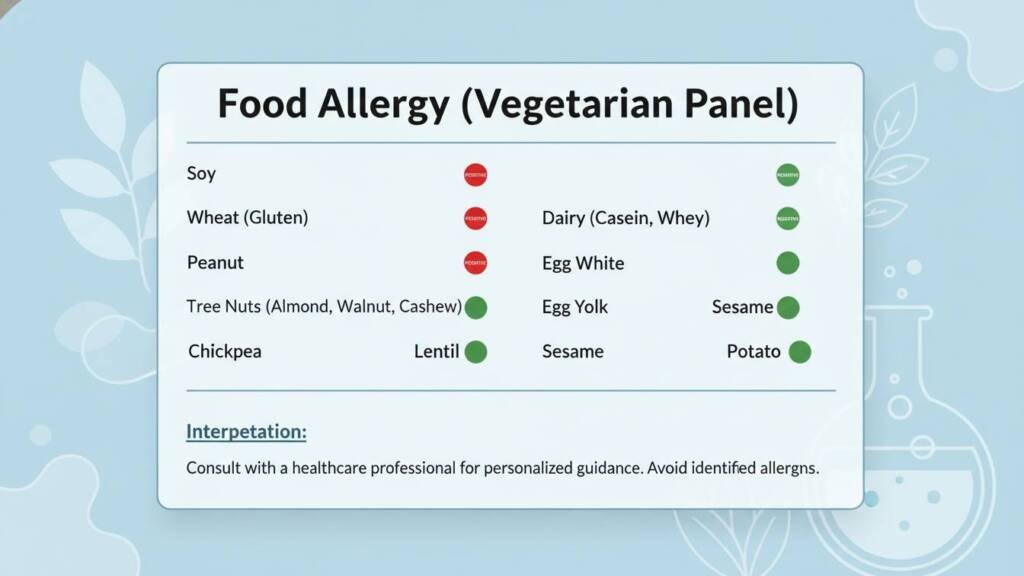
This test detects IgE-mediated allergic reactions to commonly consumed vegetarian food items. It helps identify foods that may cause symptoms such as itching, rashes, swelling, stomach upset, or breathing difficulty.
Common allergens tested include:
Milk, curd, paneer, wheat, rice, oats, barley, peanuts, almonds, cashews, walnuts, soybean, lentils (dal), chickpeas, peas, tomato, potato, carrot, onion, banana, apple, mango, and other fruits & vegetables.
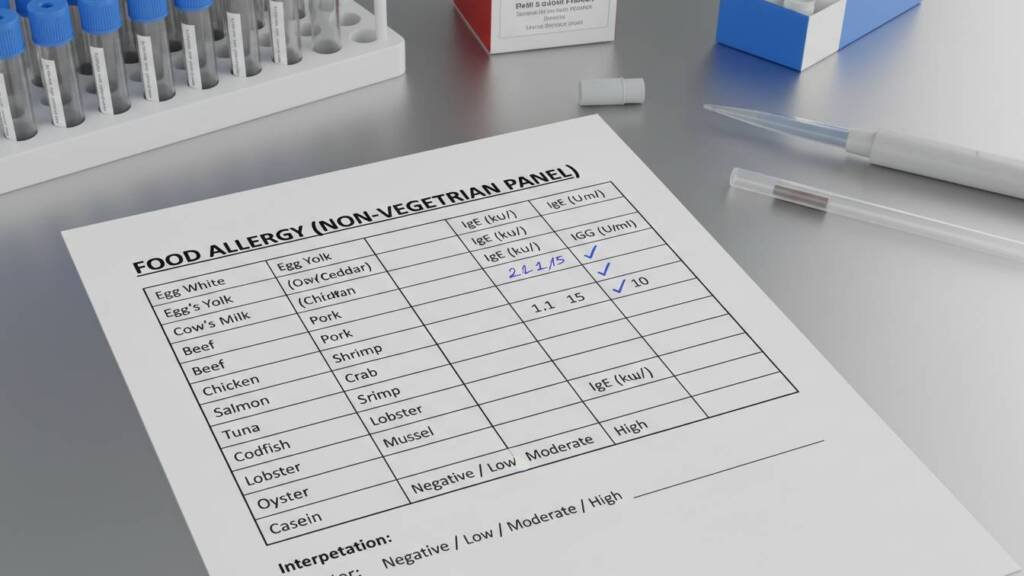
This test identifies allergic sensitivity to animal-based food products that may trigger reactions like hives, vomiting, diarrhea, or respiratory symptoms.
Common allergens tested include:
Egg white, egg yolk, chicken, mutton, beef, pork, fish (various types), prawn, shrimp, crab, lobster, and other seafood.

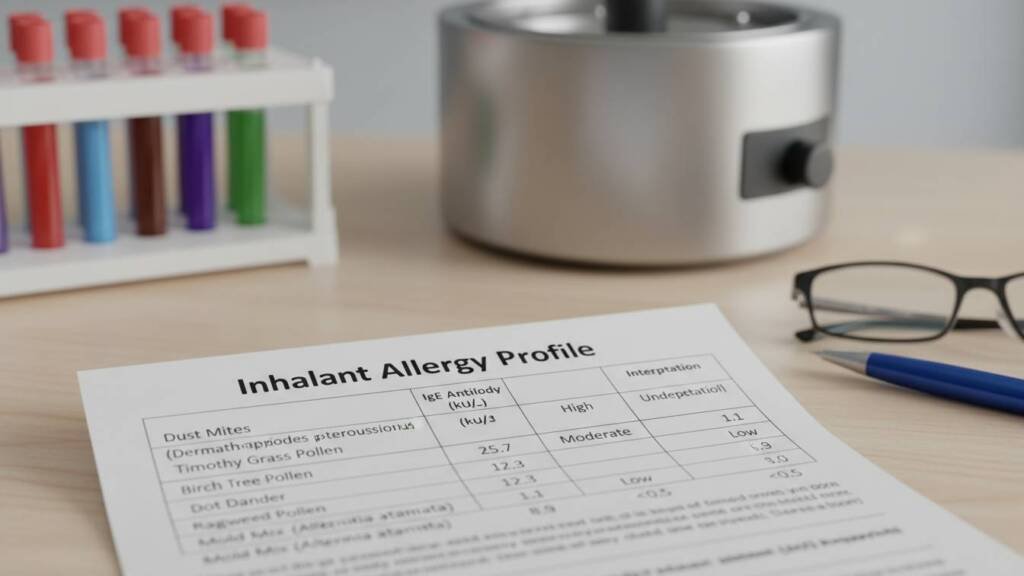
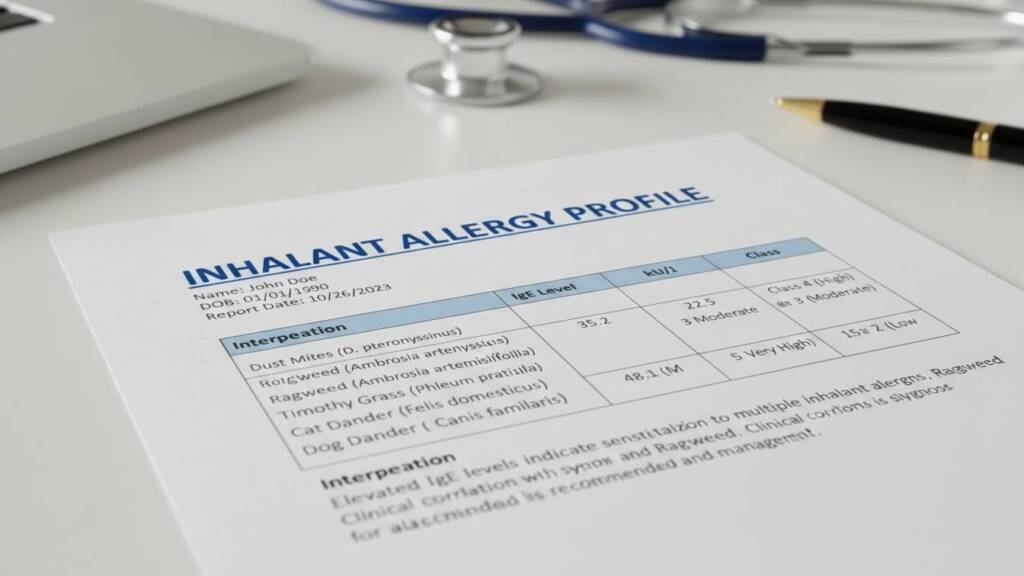
This test detects allergies caused by substances inhaled from the environment, which commonly lead to allergic rhinitis, asthma, sneezing, nasal congestion, coughing, or watery eyes.
Common inhalant allergens include:
House dust mite, dust, pollen (trees, grasses, weeds), mold/fungi, animal dander (dog, cat), cockroach, feathers, and other airborne particles.
This test identifies allergens that cause skin reactions after direct contact, such as eczema, redness, itching, or dermatitis.
Common contact allergens include:
Nickel, chromium, cobalt, rubber/latex, cosmetics, perfumes, hair dyes, detergents, soaps, preservatives, and chemical substances.


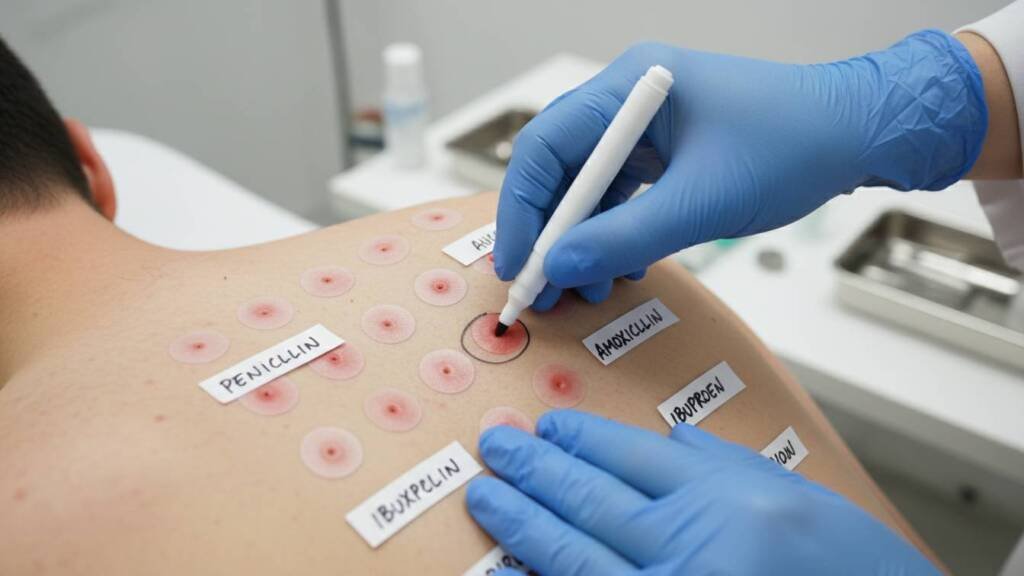
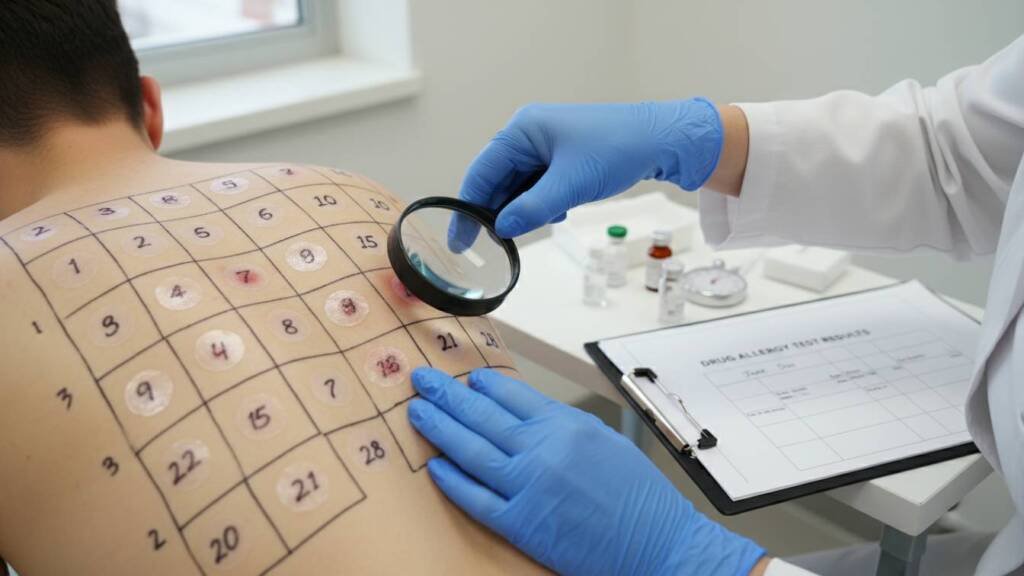
This test helps detect allergic sensitivity to commonly used medications that may cause adverse reactions like rashes, swelling, breathing difficulty, or anaphylaxis.
Common drugs tested include:
Penicillin, amoxicillin, cephalosporins, sulfa drugs, aspirin, NSAIDs, paracetamol, anesthetics, and other commonly prescribed medicines.
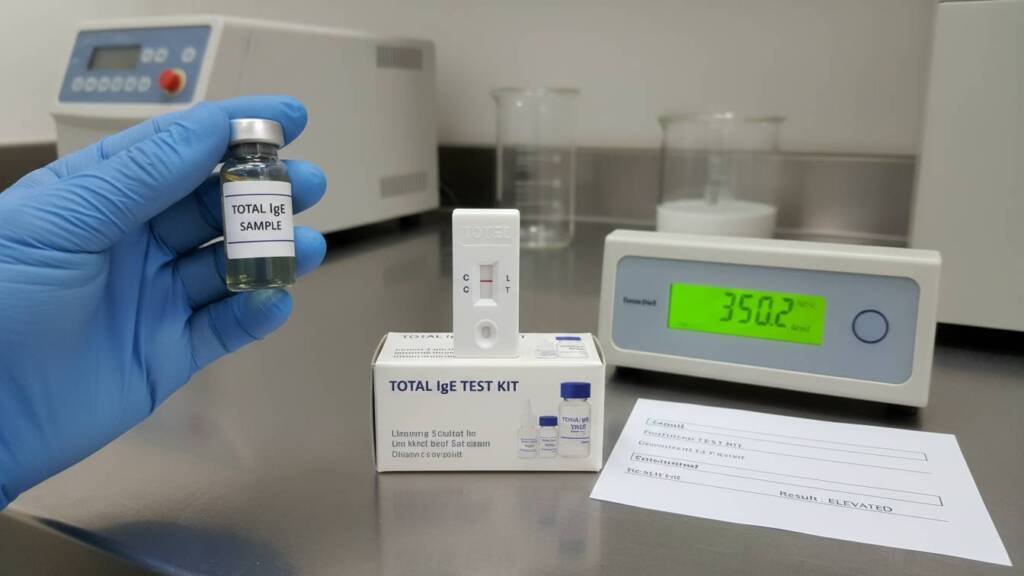
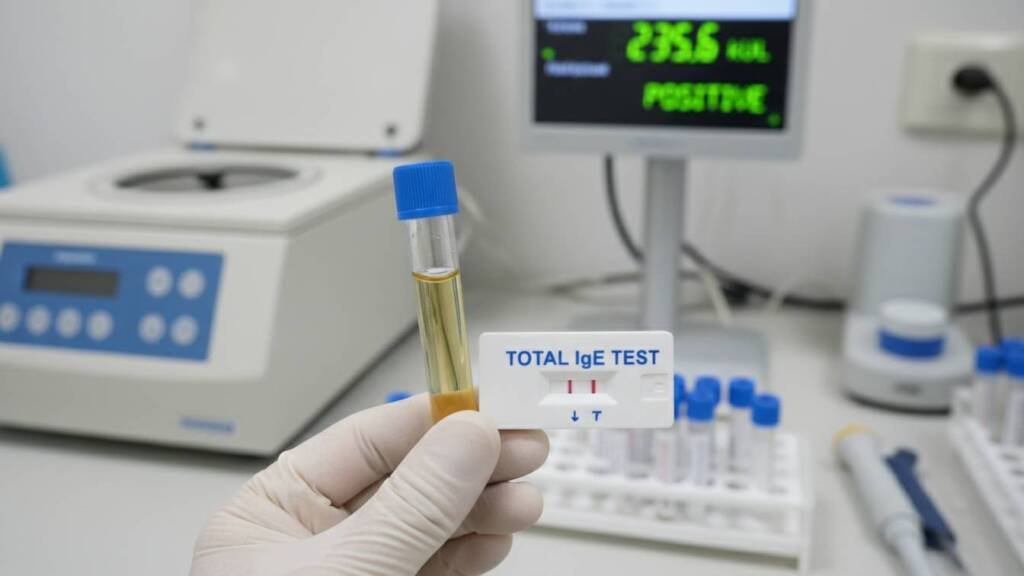
Total IgE measures the overall level of Immunoglobulin E in the blood. Elevated IgE levels indicate a higher likelihood of allergic conditions such as asthma, eczema, food allergies, or allergic rhinitis. This test supports diagnosis but does not identify a specific allergen.